The Lake District in Cumbria is England's largest national park, drawing walkers, cyclists, and heritage travellers to its fells, lakes, and literary landmarks year-round. This guide compares 4 hotels across the region - from the Solway Coast near Wigton to the harbour town of Whitehaven - helping you match your base to your itinerary and budget.
What It's Like Staying in the Lake District
The Lake District covers around 2,362 square kilometres of upland terrain, meaning your choice of base town shapes your entire trip. Unlike a single city destination, staying here requires a car for most travellers - public transport between villages is limited and infrequent, particularly after 6pm. The region attracts over 19 million visits per year, with peak congestion concentrated around Windermere, Ambleside, and Keswick, while the western and northern fringes - including Whitehaven, Wigton, and Dalton-in-Furness - remain noticeably quieter.
Travellers who benefit most from basing in the Lake District are those planning multi-day walking routes, National Trust property visits, or water-based activities on lakes such as Derwentwater or Ullswater. Those seeking urban nightlife, frequent train connections, or budget dining options may find the region logistically demanding. Accommodation fills up weeks in advance during school holiday periods, particularly in July and August, making early booking critical if you want competitive rates.
Pros:
Direct access to England's most iconic fell-walking routes, including Scafell Pike and Helvellyn, without daily travel overhead
Quieter western and northern bases such as Whitehaven and Wigton offer genuine off-peak atmosphere even in summer
Most hotels include free private parking, removing the significant cost and stress of Windermere and Keswick pay-and-display car parks
Cons:
A car is effectively mandatory - bus services between towns like Dalton-in-Furness and Keswick are slow and require changes
Dining and evening entertainment options thin out rapidly outside the main honeypot villages after 8pm
Micro-weather is highly changeable; a clear morning in Carlisle can mean low cloud and rain on the western fells by afternoon
Why Choose a Hotel in the Lake District
Hotels in the Lake District's peripheral towns - Carlisle, Whitehaven, Wigton, and Dalton-in-Furness - consistently price lower than equivalent properties in Windermere or Ambleside, while still giving car-based travellers access to the same national park within around 30 minutes of driving. Room sizes at these non-honeypot hotels tend to be more generous, and free private parking is standard rather than an exception. Breakfast inclusion is a meaningful differentiator here: many regional hotels offer full cooked breakfasts, which matter when you're starting a full day on the fells.
The trade-off is convenience for non-drivers - if you rely on public transport, staying in Carlisle gives the best rail connections (the West Coast Main Line stops here), while Whitehaven and Dalton-in-Furness are served by the Cumbrian Coast Line but with less frequency. Hotels in Carlisle also position you within 20 km of Hadrian's Wall sites, making them a dual-purpose base for visitors combining Lake District walking with Roman heritage. Mid-range hotels in this category offer full-service amenities - restaurants, bars, room service - that guesthouses and B&Bs at similar price points do not.
Pros:
Free private parking at all four hotels removes a recurring daily cost that stacks up quickly in central Lake District towns
On-site restaurants and bars mean no dependency on village dining, which is limited in quieter locations after 8pm
Peripheral town positioning gives faster road access to western fells (Wasdale, Buttermere) that honeypot-based visitors queue to reach
Cons:
None of these hotels are walkable to major Lake District attractions - a car journey of at least 29 km is required for most sites
Rooms are functional rather than boutique; decor and atmosphere are secondary to practicality in this hotel tier
Limited concierge activity planning compared to specialist outdoor lodges positioned inside the national park boundary
Practical Booking & Area Strategy for the Lake District
The Lake District's most visited attractions - Derwentwater, Cat Bells, Whinlatter Forest Park, and the World of Beatrix Potter in Bowness-on-Windermere - are spread across a large geographic area, so your base town should reflect your priority itinerary. Carlisle works best as a dual base for travellers combining Hadrian's Wall (Thirlwall Castle is 20 km from the Carlisle area, Housesteads Roman Fort around 34 km) with northern Lake District access via the A69 and A595. Whitehaven sits on the Cumbrian Coast and offers the fastest road access to Wasdale Head and Buttermere, both within 34 km, making it the strongest base for western fells walkers.
Wigton, positioned 47 km from Derwentwater and 22 km from Carlisle Castle, suits travellers who want a quieter Solway Plain base with easy access to both the northern national park and the Scottish border region. Dalton-in-Furness covers the southern Lake District corridor, sitting 35 km from the World of Beatrix Potter and close to Furness Abbey and Barrow-in-Furness coastal areas. Book at least 6 weeks ahead for any summer weekend across all four locations - even peripheral towns sell out during the school holiday peak. For autumn and winter visits, last-minute rates can be around 20% lower, and the fells are significantly less crowded.
Best Value Stays
These hotels deliver strong practical value for Lake District travellers - combining free parking, reliable WiFi, and functional amenities at competitive price points across the region's quieter towns.
-
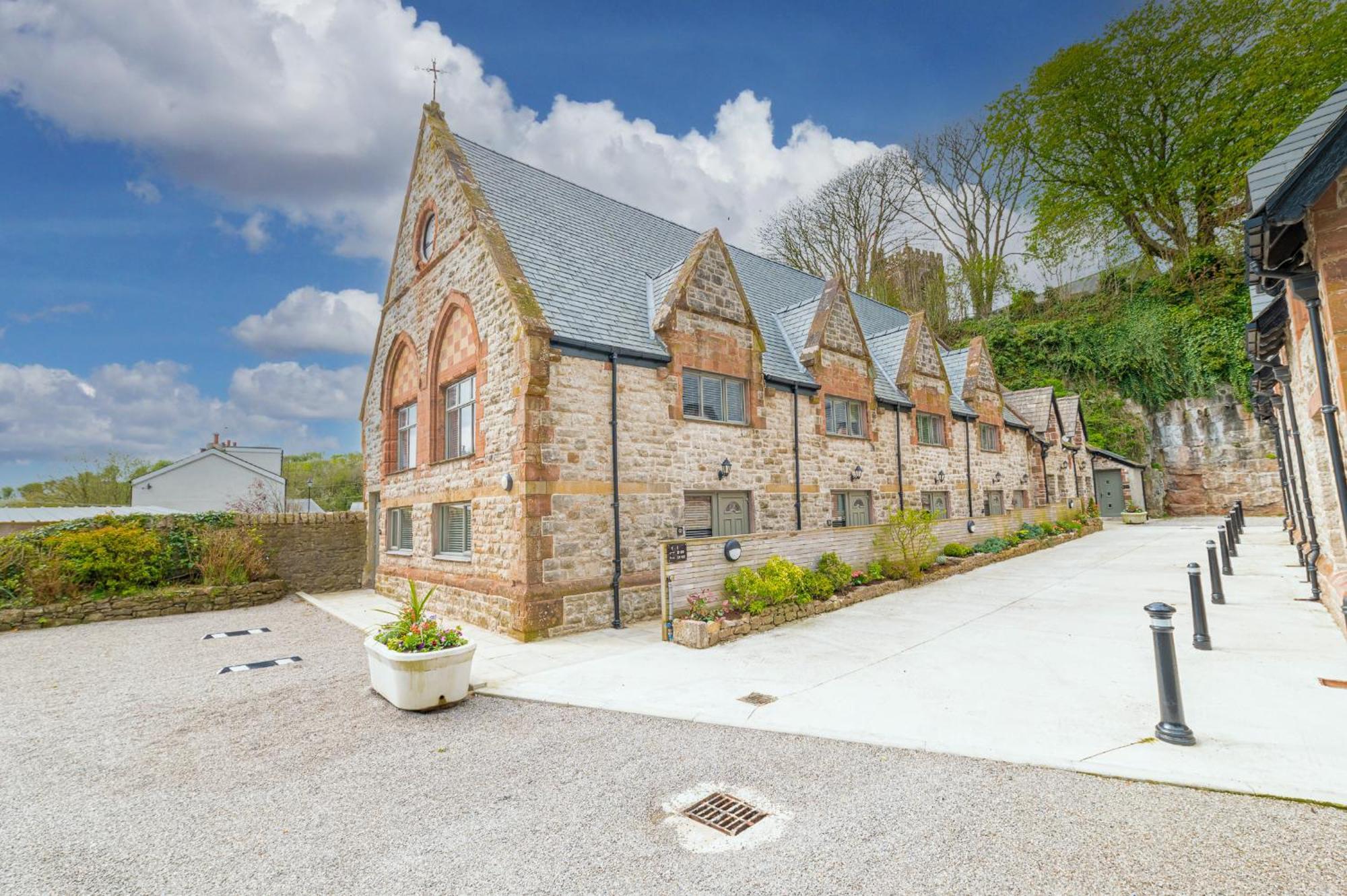
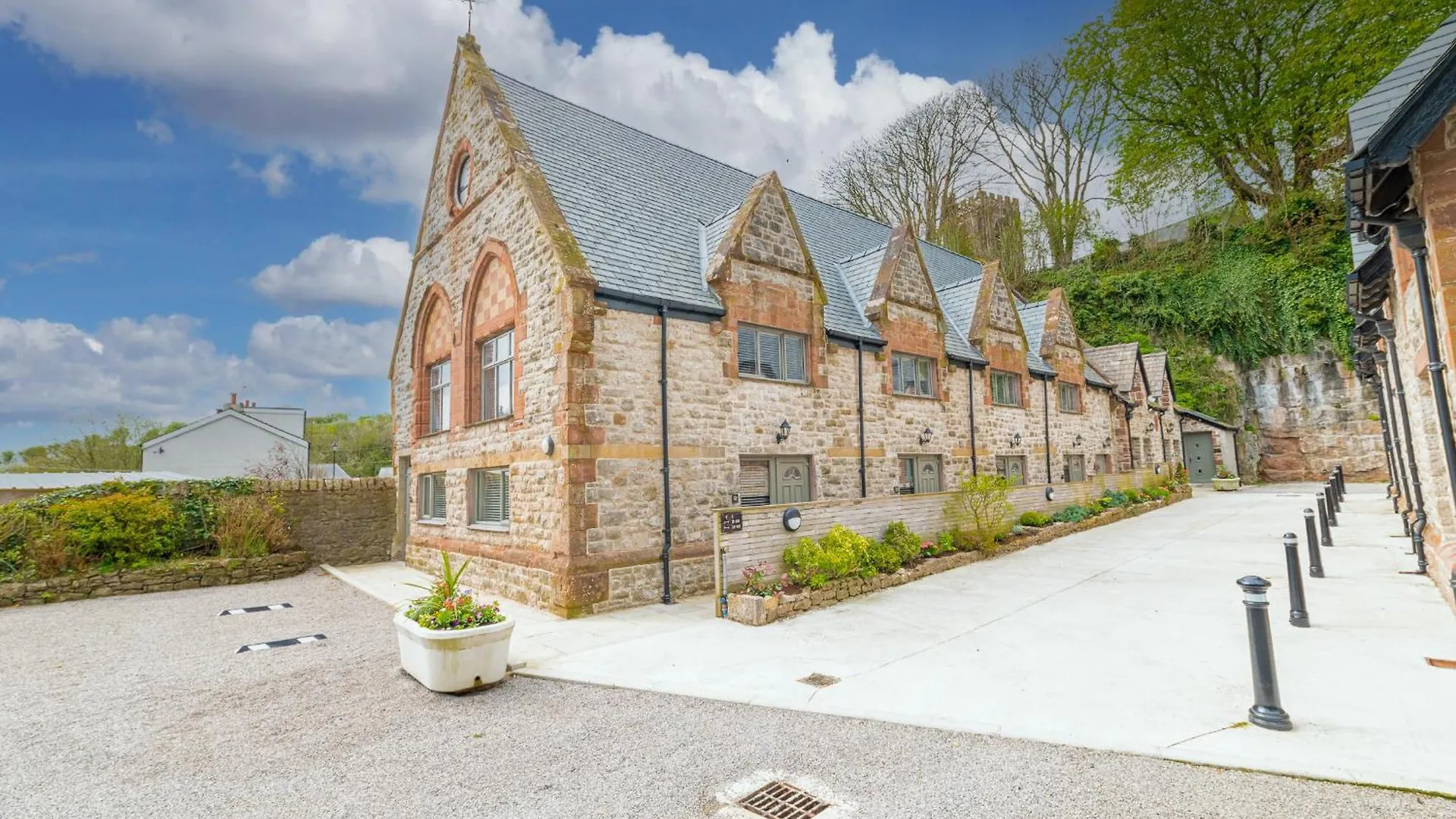
1. Chequers Lodge- Dalton-In- Furness- Self Check In- For Professionals And Tourists
Show on map


 Check-infrom 15:00 until 23:00Check-outfrom 06:00 until 10:00
Just a few rooms left at the best rate!
from£ 95
-
2. The White Heather Hotel
Show on map


 Check-infrom 15:00 until 22:00Check-outfrom 08:00 until 10:00
Hurry – almost gone at this price!
Best Premium Stays
These hotels offer a fuller service experience - on-site restaurants, air-conditioned rooms, 24-hour reception, and stronger proximity to specific Lake District and Hadrian's Wall attractions - for travellers who want more than a functional overnight stop.
-
3. The Fleece At Ruleholme
Show on map


 Check-infrom 15:00 until 23:59Check-outuntil 11:00
Rooms filling fast – secure the best rate!
from£ 140
- Show on map
Best price guarantee
Smart Travel & Timing Advice for the Lake District
The Lake District's peak season runs from late July through August and over the Easter school holiday week - during these windows, room rates across Cumbria rise sharply and availability in even peripheral towns like Wigton and Dalton-in-Furness compresses fast. Booking 6 weeks ahead is the minimum for summer weekends; for August bank holiday, aim for 10 weeks minimum. September and October offer the most balanced conditions: the summer crowds have thinned, fell colours are at their best, and hotel rates begin to soften by mid-September.
Winter visits (November through February) attract the lowest prices and the quietest trails, but several smaller attractions reduce their hours or close entirely - the World of Beatrix Potter and some National Trust properties operate on reduced winter schedules. A minimum stay of 2 nights makes logistical sense given the travel distances involved in reaching the Lake District from most UK cities; 3 nights allows a meaningful mix of walking, heritage, and rest. Midweek stays (Tuesday to Thursday) consistently produce lower rates than weekend arrivals across all four hotels reviewed here, with savings of around 20% not uncommon outside peak season. Last-minute deals do appear in January and February but are unreliable for specific property preferences.